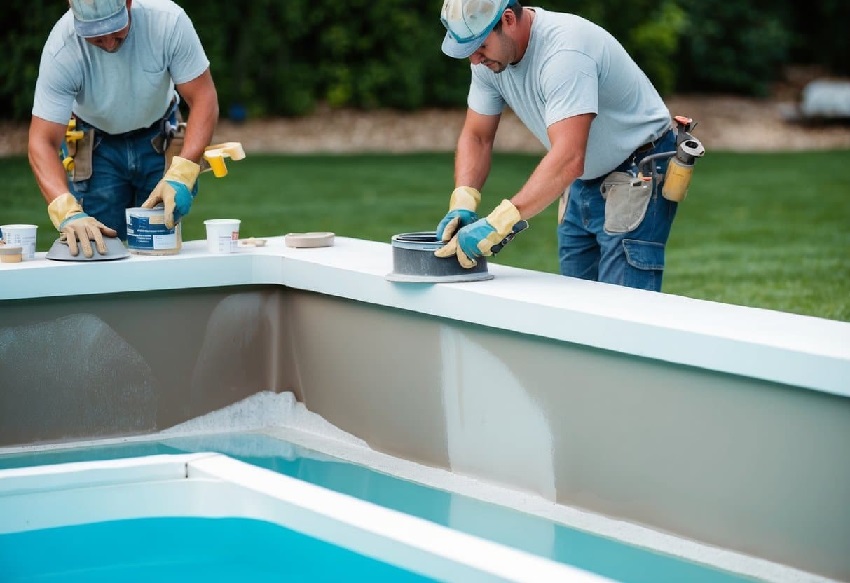
A swimming pool is more than just a place for relaxation and entertainment; it is an important feature that adds beauty, comfort, and value to a property. However, like any other outdoor structure, a pool requires regular care and maintenance to remain safe, attractive, and functional. Over time, pool surfaces can become damaged due to constant water exposure, chemicals, weather conditions, and everyday use. Cracks, stains, rough textures, fading colors, and worn finishes are common signs that a pool may need professional attention.
When a pool surface begins showing signs of aging, resurfacing is one of the most effective ways to restore its appearance and improve its performance. Instead of completely replacing the pool structure, resurfacing provides a practical solution by applying a new protective and decorative layer over the existing surface. This process can transform an old-looking pool into a fresh and appealing outdoor feature.
Many property owners searching for reliable renovation solutions consider pool resurfacing tampa services because resurfacing helps address common issues caused by aging pool finishes while extending the lifespan of the swimming area. A professionally completed resurfacing project can improve durability, enhance visual appeal, and create a more enjoyable swimming environment.
Understanding Pool Resurfacing and Why It Matters
Pool resurfacing is the process of removing or preparing the existing pool finish and applying a new surface layer designed to protect and improve the structure. The new coating creates a smoother, stronger, and more attractive appearance while helping prevent further damage.
Over time, pool surfaces naturally experience wear. Constant exposure to water, cleaning chemicals, sunlight, and temperature changes can weaken the finish. Even pools built with strong materials eventually require updates because no surface remains perfect forever.
A damaged pool surface is not only a visual concern. Rough areas can make swimming uncomfortable, while cracks and deterioration may allow water to reach underlying structures. Addressing these issues early helps prevent more expensive repairs in the future.
Resurfacing provides an opportunity to improve both function and design. Property owners can select modern finishes, updated colors, and decorative options that match their preferences and complement the surrounding outdoor space.
Common Signs That a Pool Needs Resurfacing
Recognizing the warning signs of surface damage allows homeowners to take action before minor problems become major concerns. One of the most noticeable signs is visible cracking. Small cracks may expand over time, especially when exposed to repeated pressure and changing temperatures.
Another common indication is a rough or uncomfortable texture. A pool surface that once felt smooth may become uneven due to erosion and wear. This can affect swimmer comfort and make the pool more difficult to maintain.
Discoloration and stubborn stains are also frequent signs of surface deterioration. Chemical reactions, mineral deposits, and aging finishes can cause the pool to lose its original appearance. While regular cleaning may help with minor issues, deeper surface problems often require resurfacing.
Water loss can also indicate structural concerns. Although evaporation is normal, unexplained water reduction may suggest cracks or surface damage. A professional evaluation can determine whether resurfacing is the appropriate solution.
Benefits of Professional Pool Resurfacing
One of the biggest advantages of resurfacing is improved appearance. A worn and outdated pool can make an entire outdoor area look less attractive. A new finish can restore brightness, create a cleaner appearance, and completely change the overall style of the pool.
Durability is another important benefit. Modern pool finishes are designed to withstand water exposure, chemicals, and regular use. A professionally applied surface can provide long-lasting protection and reduce the frequency of future repairs.
Improved safety is also a major reason homeowners choose resurfacing. Damaged surfaces with cracks or rough areas can create uncomfortable or unsafe conditions. A smooth and properly installed finish provides a better swimming experience.
Resurfacing can also increase property value. A well-maintained pool is an attractive feature for potential buyers, and a recently upgraded surface can demonstrate that the property has been properly cared for.
In addition, resurfacing allows homeowners to customize their pool design. Different finishes, colors, and textures provide opportunities to create a unique appearance that matches personal style and outdoor landscaping.
Different Types of Pool Finishes
Choosing the right finish is an important part of the resurfacing process. Different materials offer different appearances, textures, and levels of durability. The best option depends on budget, design preferences, maintenance expectations, and the specific needs of the pool.
Plaster remains one of the traditional choices because it provides a clean and smooth surface. It is available in different shades and can create a classic pool appearance. With proper care, plaster finishes can provide reliable performance for many years.
Aggregate finishes are another popular option. These surfaces combine durable materials with decorative elements to create a textured and visually appealing appearance. They are often chosen for their strength and ability to hide minor imperfections.
Tile finishes provide a premium look and offer excellent resistance to water and chemicals. Tiles can be used throughout the pool or as decorative accents to enhance specific areas. They are available in many colors and designs, allowing for creative customization.
Quartz-based finishes offer a balance between beauty and durability. They provide a smoother appearance than some textured finishes while offering increased resistance to wear and staining.
The Pool Resurfacing Process Explained
A successful resurfacing project begins with a detailed inspection of the existing pool surface. Professionals evaluate the condition of the finish, identify damage, and determine the best preparation method.
The next step involves draining the pool and preparing the surface. The existing finish may need to be removed or treated to ensure proper bonding with the new material. Surface preparation is one of the most important stages because it affects the quality and lifespan of the finished result.
After preparation, the new surface material is carefully applied. Skilled technicians use specialized methods to create an even and consistent finish throughout the pool. Attention to detail during this stage helps prevent future problems.
Once the new surface has been installed, the pool requires proper curing and finishing. The water chemistry must be balanced carefully before the pool is returned to regular use. Following professional recommendations during this period helps protect the new surface.
Factors That Influence Resurfacing Costs
The cost of resurfacing depends on several factors, including pool size, surface condition, selected materials, and the complexity of the project. Larger pools naturally require more materials and labor, while heavily damaged surfaces may need additional preparation.
The choice of finish also affects pricing. Basic finishes may provide a cost-effective solution, while premium materials with advanced designs may require a larger investment. Homeowners should consider both immediate costs and long-term value when selecting a finish.
Additional features such as steps, decorative elements, water features, or surrounding areas may also influence the overall project requirements. A detailed consultation helps property owners understand what improvements are needed.
Although resurfacing requires an investment, it can be more affordable than replacing an entire pool. Restoring the existing structure while improving its appearance and performance often provides excellent long-term value.
Choosing the Right Resurfacing Professional
Selecting an experienced contractor is essential for achieving high-quality results. Pool resurfacing requires specialized skills, and poor installation can lead to premature damage, uneven finishes, or additional repair costs.
When considering pool resurfacing tampa options, property owners should look for professionals with experience, proper equipment, and a strong understanding of different pool materials. Reviewing previous projects and discussing available options can help ensure the right choice.
Communication is also important. A reliable professional should explain the process clearly, discuss material choices, provide realistic expectations, and answer questions about maintenance after completion.
Quality workmanship plays a major role in the success of a resurfacing project. Even the best materials may not perform properly if installation is not completed correctly.
Maintaining a Newly Resurfaced Pool
Proper maintenance after resurfacing helps protect the investment and extend the life of the new finish. Maintaining balanced water chemistry is one of the most important steps because incorrect chemical levels can damage the surface.
Regular cleaning prevents buildup of dirt, algae, and mineral deposits. Using appropriate cleaning methods avoids unnecessary wear and keeps the pool looking attractive.
Homeowners should also monitor water levels and inspect the surface periodically. Identifying small concerns early allows for quick solutions before more serious problems develop.
Professional inspections can also be useful, especially for older pools or properties with heavy usage. Regular care ensures that the resurfaced pool continues providing comfort and enjoyment.
Final Thoughts
Resurfacing provides an excellent opportunity to improve the entire pool environment. Updating the surface can be combined with other improvements such as modern lighting, upgraded decking, landscaping enhancements, or improved safety features.A well-designed pool area creates a more enjoyable outdoor experience. Coordinating colors, textures, and materials helps create a unified appearance that enhances the overall property.
Many homeowners use resurfacing projects as a chance to modernize outdated designs. New finishes and creative features can transform an ordinary pool into a stylish and inviting space.
A swimming pool requires ongoing care to maintain its beauty, safety, and functionality. When surfaces become damaged, faded, or outdated, resurfacing offers an effective way to restore the pool without the expense of complete replacement.Investing in pool resurfacing tampa solutions can help property owners improve the appearance, durability, and overall enjoyment of their swimming area. With the right materials, professional installation, and proper maintenance, a resurfaced pool can continue providing value for many years.
A successful pool resurfacing project is not only about repairing damage; it is about creating a better outdoor environment. By choosing quality materials and experienced professionals, homeowners can enjoy a pool that looks attractive, performs reliably, and remains a valuable feature of their property.