Modern communities face challenges that go beyond traditional emergencies. Extreme weather events, crowded public spaces, increasing mental health incidents, and faster-paced lifestyles all create situations where immediate assistance may be needed before professional responders arrive. This is why first aid training has become closely connected to community preparedness in ways many people never considered before.
Preparedness today is not simply about reacting to disasters. It is about creating communities where people are mentally ready, practically skilled, and socially responsible when unexpected situations occur.
First Aid Training Creates Everyday Problem Solvers
One overlooked benefit of first aid education is how it changes the way people observe their surroundings. Trained individuals often become more aware of hazards before accidents happen. They notice unsafe walkways, dehydration risks during events, or early signs of medical distress in others.
This preventive mindset improves community safety long before emergencies occur. Instead of only responding after incidents happen, trained people contribute to reducing the number of emergencies in the first place.
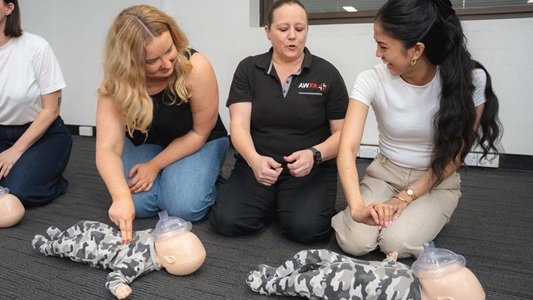
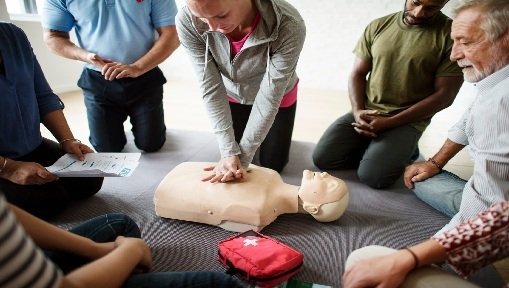
Programs like HLTAID011 Provide First Aid help participants develop situational awareness that applies in schools, shopping centres, sporting venues, and public gatherings.
Prepared Communities Depend on Fast Local Action
Emergency services are highly skilled, but response times can still be affected by traffic, distance, weather, or large-scale incidents. During those critical first few minutes, nearby community members become the true first responders.
This reality has shifted the importance of first aid from being a workplace requirement to becoming a community necessity. The more people trained within a neighbourhood, the stronger the local safety network becomes.
In apartment buildings, community festivals, public transport stations, and recreational parks, ordinary individuals with first aid knowledge often become the immediate support system before ambulances arrive.
First Aid Training Strengthens Community Trust
An unusual but important effect of emergency training is the trust it builds among community members. People feel safer participating in local activities when they know trained individuals are nearby.
Parents feel more comfortable during school events. Sports participants gain confidence during competitions. Elderly residents often feel less isolated knowing neighbours understand emergency response basics.
Preparedness is not only physical. It also creates emotional reassurance within communities. When people believe others around them can help during emergencies, social confidence improves.
The Link Between Training Skills and Public Education
Communities benefit even more when experienced individuals can pass their knowledge to others. Qualifications such as a Cert IV in Training and Assessment help trainers deliver information clearly and effectively to different groups.
Teaching first aid requires more than technical knowledge. Trainers must understand how to communicate under pressure, simplify complex procedures, and prepare learners for realistic situations.
This educational role is essential because poorly delivered training may leave people uncertain during actual emergencies. Skilled instructors help create confident learners who are more likely to take action when needed.
Younger Generations Are Becoming Safety Leaders
An emerging trend in community preparedness is the growing involvement of younger people in first aid education. Teenagers and young adults are increasingly participating in emergency response courses through schools, sports clubs, and volunteer programs.
This creates long-term cultural change. Instead of viewing first aid as a specialist skill, younger generations begin seeing it as a normal life skill similar to driving or communication.
As these habits become more common, communities gradually build stronger preparedness across future generations.
Preparedness Now Includes Mental Health Awareness
Modern first aid training is evolving beyond physical injuries. Many programs now encourage participants to recognise panic attacks, emotional distress, and trauma reactions during emergencies.
Communities today face situations where emotional support becomes just as important as physical assistance. Calm communication and reassurance can significantly reduce panic during stressful events.
This broader understanding of preparedness reflects how communities are adapting to modern public safety needs.
Expanding Regional Training Opportunities
Regional training access also plays a major role in preparedness growth. As more training providers expand into different areas, local communities gain better access to professional instruction.
Programs such as Cert IV Training and Assessment Darwin contribute to this expansion by preparing qualified trainers who can support emergency education across diverse communities and industries.
The result is a wider network of trained individuals capable of improving local readiness in both urban and regional areas.
Conclusion
Community preparedness is no longer limited to emergency agencies or government planning. It now depends heavily on ordinary people having the confidence and ability to respond during critical moments.
First aid training strengthens communities by improving awareness, encouraging faster local action, building trust, and preparing future generations with practical life skills. As more people participate in emergency education, communities become not only safer but also more connected and resilient in everyday life.