Introduction to Fire Risk Management
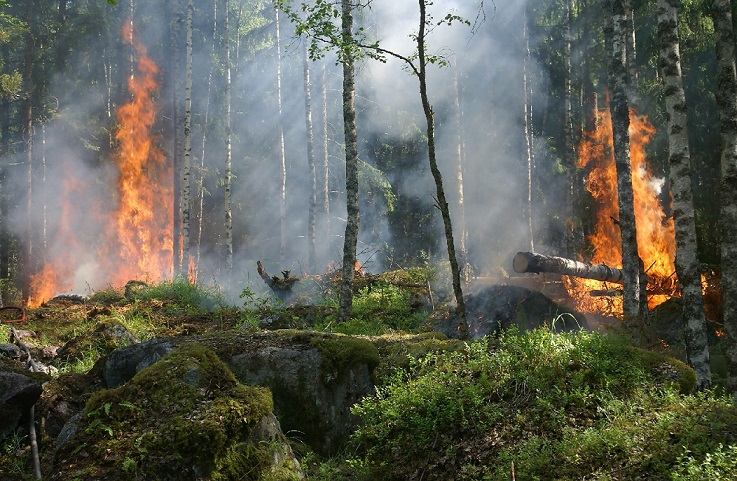
Wildfires are powerful natural events that can cause widespread damage to forests, communities, wildlife habitats, and valuable resources. These events often become more dangerous when dry conditions, strong winds, and unmanaged landscapes create suitable environments for rapid fire growth. Preparing for these challenges requires a combination of awareness, planning, and preventive actions. Rather than focusing only on emergency response, modern safety strategies emphasize reducing risks before fires begin. Effective wildfire mitigation plays an important role in protecting lives, improving environmental resilience, and minimizing the impact of future fire events.The growing concern about wildfire risks has encouraged researchers, land managers, and communities to develop better methods for prevention and preparation. Understanding how fires start and spread allows experts to design solutions that address specific hazards. Factors such as vegetation buildup, weather patterns, human activities, and landscape conditions all influence fire behavior. By studying these elements, organizations can create stronger safety plans and improve their ability to manage potential threats. Prevention remains one of the most valuable tools because early action can reduce the severity of damage and support faster recovery.
Understanding the Causes of Wildfires
Wildfires can occur due to both natural and human-related causes. Lightning strikes, extreme temperatures, and dry environmental conditions can create situations where fires start naturally. Human activities, including careless handling of flames, equipment use, or accidental sparks, can also contribute to fire outbreaks. Understanding these causes helps communities develop responsible practices and reduce unnecessary risks. Education and awareness are essential because many fire incidents can be prevented through careful behavior and proper planning.Environmental conditions have a major influence on how quickly a fire develops and spreads. Dry vegetation provides fuel, while wind can carry flames across large distances. Changes in weather patterns can also create longer periods of dryness, increasing the possibility of severe fire conditions. Monitoring these factors helps experts identify areas of concern and apply suitable prevention measures. Through careful observation and preparation, potential hazards can be addressed before they become major emergencies.
Importance of Preventive Planning
Preventive planning is a critical part of reducing fire-related damage because it focuses on preparation before an emergency occurs. Effective strategies include evaluating risks, improving land conditions, creating safety plans, and educating the public. These actions help communities become more prepared and reduce confusion during dangerous situations. A well-designed prevention plan considers both immediate risks and long-term environmental challenges.The purpose of wildfire mitigation is to reduce the conditions that allow fires to become uncontrollable. This involves managing vegetation, improving infrastructure safety, and encouraging responsible land use. Preventive efforts do not eliminate all fire risks, but they significantly reduce the likelihood of severe impacts. Consistent planning and regular improvements help create stronger systems that protect people, property, and natural areas.
Managing Vegetation and Landscape Conditions
Vegetation management is one of the most effective methods for reducing fire intensity because plants and dry materials often act as fuel. Removing excessive vegetation, clearing dead branches, and maintaining healthy landscapes can slow the movement of flames. Proper maintenance creates safer surroundings and provides emergency teams with better opportunities to respond effectively. These practices require careful attention because natural environments must also be protected.Balanced landscape management focuses on maintaining ecological health while reducing dangerous conditions. Healthy ecosystems can be more resistant to extreme fire behavior when properly maintained. Experts often evaluate vegetation types, moisture levels, and environmental conditions to determine suitable management approaches. By creating a balance between conservation and safety, communities can reduce risks while preserving important natural resources.
Protecting Homes and Infrastructure
Buildings and infrastructure require careful planning to reduce vulnerability during fire events. Property owners can improve safety by maintaining clear areas around structures, using suitable materials, and reducing nearby fire hazards. Small preventive actions can make a significant difference when flames approach residential or commercial areas. Strong preparation increases the chances of protecting valuable assets during emergencies.Structural protection is an important part of wildfire mitigation because it focuses on reducing damage before fires occur. Creating safe spaces around buildings allows emergency responders to work more effectively and helps slow fire progression. Regular maintenance, inspection, and awareness of potential hazards contribute to stronger protection. These efforts are valuable investments because they reduce risks and support quicker recovery after disasters.
Technology and Innovation in Fire Prevention
Modern technology has improved the ability to monitor and manage fire risks. Advanced tools such as satellite systems, weather monitoring equipment, and digital mapping provide important information about changing conditions. These technologies help experts identify possible threats and make faster decisions. Improved data collection allows prevention strategies to become more accurate and effective.Innovations in communication and monitoring continue to strengthen fire safety efforts. Early warning systems can provide important updates, allowing people to take necessary precautions. Artificial intelligence and advanced analysis tools are also being explored to improve predictions and response planning. As technology continues to develop, it will support more efficient approaches to protecting communities and natural environments from fire-related challenges.
Community Education and Awareness
Public awareness is a powerful element of fire prevention because individual actions can influence overall safety. Educational programs help people understand fire risks, responsible practices, and emergency procedures. When communities have better knowledge, they are more capable of preventing accidents and responding effectively during dangerous conditions.Prepared communities often recover faster because residents understand what actions are necessary during emergencies. Training programs, awareness campaigns, and safety discussions encourage cooperation and responsibility. Everyone has a role in reducing fire risks, from homeowners maintaining their properties to organizations supporting prevention initiatives. Shared responsibility strengthens overall protection and creates a safer environment for everyone.
Sustainable Methods for Long-Term Protection
Sustainability is an important part of modern fire management because prevention efforts must support both safety and environmental health. Responsible land practices help maintain ecosystems while reducing conditions that increase fire risks. Sustainable approaches consider the long-term effects of decisions and focus on creating lasting improvements.The development of wildfire mitigation strategies continues to evolve as experts learn more about environmental changes and fire behavior. Sustainable methods include improved land management, conservation efforts, and responsible resource use. These approaches help create stronger relationships between human activities and natural systems. Protecting the environment while reducing risks ensures that prevention efforts remain effective for future generations.
Economic Advantages of Prevention Strategies
Wildfires can create significant economic losses by damaging homes, businesses, infrastructure, and natural resources. Investing in prevention can reduce these costs by lowering the severity of potential damage. Although preparation requires time and resources, it often provides long-term financial benefits by reducing recovery expenses and improving resilience.Communities that focus on prevention are better positioned to protect important assets and maintain stability during challenging situations. Businesses and property owners also benefit from improved safety planning because reduced risks help prevent interruptions. Strong prevention strategies support economic security by protecting investments and encouraging sustainable development.
Cooperation and Future Preparedness
Successful fire prevention requires cooperation between experts, authorities, organizations, and community members. Each group contributes important knowledge and resources that improve overall safety. Collaboration helps create practical solutions based on real conditions and shared goals. When people work together, prevention efforts become more organized and effective.Future challenges will require continued innovation, education, and investment in safety measures. Environmental changes may create new risks, but improved planning and technology can help communities adapt. By combining knowledge, preparation, and responsible action, societies can strengthen their ability to manage fire threats. Long-term commitment to safety will remain essential for protecting people, property, and natural environments.
Conclusion: Building Stronger Protection Through Prevention
Reducing wildfire risks requires continuous effort, careful planning, and cooperation at every level. Prevention strategies provide valuable protection by addressing hazards before they develop into serious emergencies. Through responsible land management, improved technology, community awareness, and sustainable practices, the impact of wildfires can be reduced.The importance of wildfire mitigation continues to increase as environmental conditions and fire challenges become more complex. A proactive approach helps create safer surroundings and improves resilience against future events. By focusing on preparation and prevention, communities can protect valuable resources while building a safer and more sustainable future.