Every person’s dental needs are different, which is why effective oral healthcare should reflect individual circumstances rather than follow the same approach for everyone. Choosing Boulder Dentistry that emphasises personalised care can help patients receive recommendations based on their dental history, current condition, lifestyle, and long-term goals. This approach focuses on understanding each patient, identifying potential concerns, and developing practical treatment plans that support healthier teeth and gums at every stage of life.
What Is Personalized Dentistry?
Personalized dentistry is an approach to oral healthcare that considers the needs and preferences of each individual. Instead of automatically recommending identical services to every patient, the dentist evaluates several factors before suggesting preventive measures or treatment.
These factors may include age, existing dental conditions, previous procedures, oral hygiene habits, medical history, and personal concerns. For example, someone with frequent cavities may need additional preventive guidance, while a patient experiencing gum inflammation may benefit from a plan focused on periodontal health.
Personalised care also considers the patient’s expectations. Some individuals may want to improve the appearance of their smile, while others may be more concerned about discomfort, chewing difficulties, or protecting existing dental work. Understanding these priorities helps the dental team explain suitable options and establish realistic treatment goals.
Starting With a Detailed Dental Assessment
A personalised dental plan begins with a thorough assessment. During an initial appointment, the dentist reviews the patient’s dental history and examines the teeth, gums, bite, and other visible structures of the mouth.
Patients should mention previous dental procedures, recurring discomfort, sensitivity, bleeding gums, and any concerns they have noticed. Sharing relevant medical information and medications is also important because certain conditions and treatments can influence oral health or affect dental procedures.
Depending on the findings, the dentist may recommend diagnostic imaging. Digital X-rays can help identify concerns that are not easily visible during a routine examination, such as decay between teeth or changes around tooth roots. Imaging should be used when clinically appropriate.
The assessment provides a foundation for understanding current oral health and deciding whether preventive care, restorative treatment, or further evaluation is necessary.
Preventive Care Based on Individual Needs
Preventive dentistry is an important part of personalised oral healthcare. Although regular examinations and professional cleanings benefit most patients, the frequency and type of preventive services may vary.
People who are more susceptible to cavities may benefit from additional fluoride guidance or dental sealants when appropriate. Patients with a history of gum disease may require closer monitoring and more frequent professional cleaning. Those who experience dry mouth may need advice about hydration, saliva support, and reducing their risk of tooth decay.
A personalised preventive plan may include:
- Recommended examination and cleaning intervals
- Brushing and flossing techniques suited to individual needs
- Fluoride treatments when appropriate
- Monitoring of gum health
- Dietary guidance to reduce cavity risk
- Advice about protecting teeth from grinding or injury
These recommendations help patients understand which habits and services are most relevant to their oral health rather than relying on general advice alone.
Personalized Dentistry for Children and Teenagers
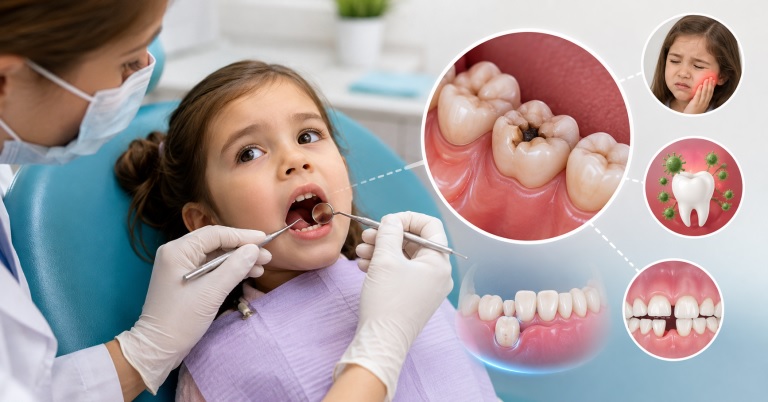
Children have changing dental needs as primary teeth emerge, permanent teeth develop, and their jaws grow. Personalised dental care helps parents understand these stages and make informed decisions about prevention.
During childhood appointments, the dentist can monitor tooth development, assess cavity risk, and provide guidance on brushing and dietary habits. Fluoride applications or dental sealants may be recommended for suitable children, depending on their individual needs.
Teenagers may require additional attention because changing routines, sports participation, and orthodontic treatment can influence oral hygiene. Patients with braces may need specific cleaning techniques to remove food particles around brackets and wires. Those involved in contact sports may benefit from a properly fitted mouthguard.
A calm and supportive approach can also make dental appointments more comfortable for younger patients. Helping children understand the purpose of each visit encourages positive habits that may continue into adulthood.
Addressing Adult Dental Concerns
Adults may experience a range of oral health issues, including cavities, gum inflammation, worn enamel, cracked teeth, and problems with previous restorations. Personalised dentistry helps determine the most suitable response according to the severity of each concern.
A small cavity may be treated with a filling, while a weakened tooth may require a crown for additional protection. If the inner tissue of a tooth becomes infected or inflamed, root canal treatment may be considered to preserve the natural tooth when possible.
Adults who grind or clench their teeth may need an assessment to identify signs of excessive pressure. A protective night guard may be recommended in suitable cases. Patients experiencing gum bleeding or recession may need a treatment plan that focuses on periodontal health.
The dentist should explain the reason for each recommendation, the expected outcome, and any available alternatives. This allows patients to consider their options and make informed decisions.
Cosmetic Goals and Functional Improvements
Personalised dental care can also address concerns about the appearance of a smile. Some patients want to reduce staining, while others may be interested in improving the shape, spacing, or alignment of their teeth.
Professional whitening may help reduce certain types of discolouration. Dental bonding can improve selected minor imperfections, and veneers may be suitable for specific cosmetic concerns. Orthodontic treatment can help correct certain alignment and bite problems.
However, cosmetic recommendations should take overall oral health into account. Tooth decay, gum disease, or other underlying problems may need attention before cosmetic procedures are considered.
The dentist should discuss the benefits, limitations, maintenance requirements, and costs of proposed treatments. A personalised plan should reflect the patient’s priorities while protecting the health and function of natural teeth.
Supporting Gum Health Through Individual Care
Healthy gums provide essential support for teeth. Gum disease can begin with inflammation and bleeding and may progress if plaque and bacteria are not adequately controlled.
A personalised gum care plan depends on the patient’s condition and risk factors. Some people may need routine professional cleanings, while others with more advanced periodontal concerns may require deeper cleaning procedures and ongoing monitoring.
Daily habits are equally important. Brushing gently along the gumline, cleaning between teeth, avoiding tobacco, and attending recommended appointments can help maintain healthier gums.
Patients should discuss persistent bleeding, swelling, tenderness, or gum recession with a dental professional. Early assessment can help determine whether these symptoms are related to gum disease or another condition.
Clear Communication and Shared Treatment Decisions
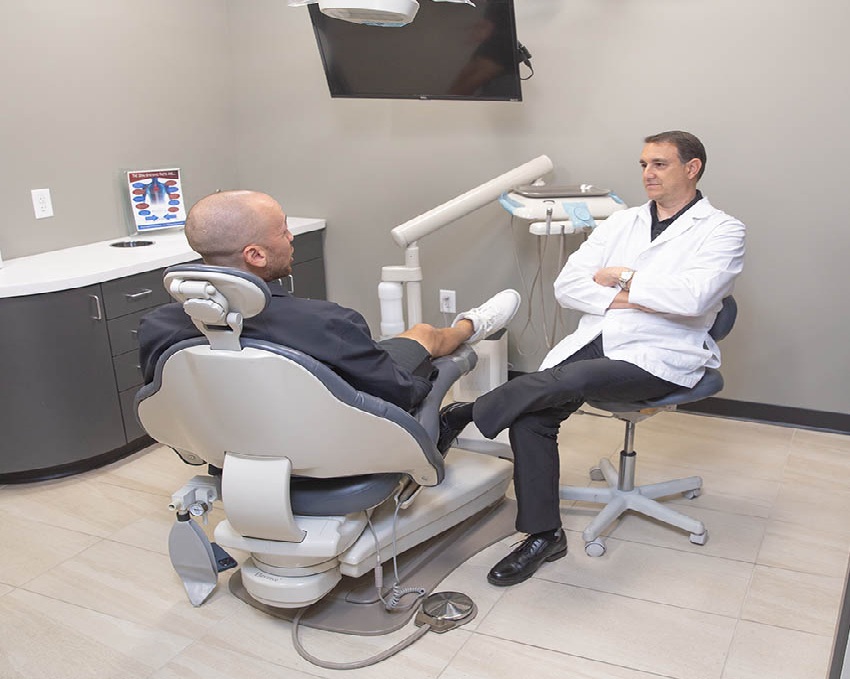
Personalised dentistry depends on a strong relationship between the patient and dental team. Patients should feel comfortable asking questions, explaining their concerns, and discussing treatment preferences.
A dentist should present findings in understandable language and explain why a procedure may be recommended. When several options are available, patients should receive information about the advantages, limitations, expected appointments, and possible costs of each approach.
Financial considerations are also part of treatment planning. Before beginning extensive dental work, patients should ask for an estimate and clarify insurance coverage or available payment arrangements. Understanding these details can make it easier to plan treatment without unexpected financial pressure.
Shared decision-making helps ensure that care reflects both professional recommendations and the patient’s informed preferences.
Choosing a Personalized Dental Practice in Boulder
When selecting a dental practice in Boulder, patients should consider professional qualifications, available services, communication, and the overall patient experience. A suitable practice should be prepared to assess individual needs rather than recommend unnecessary procedures.
It is helpful to ask about the dentist’s experience, preventive care philosophy, diagnostic methods, appointment availability, and approach to dental anxiety. Families may also want to understand whether the practice provides services for different age groups.
Convenient scheduling and a welcoming environment can make it easier to maintain regular appointments. Most importantly, patients should feel respected and receive clear explanations throughout their care.
Maintaining Better Oral Health Over Time
Personalised treatment is most effective when supported by consistent daily habits. Brushing twice a day with fluoride toothpaste, cleaning between teeth, drinking water, and limiting frequent sugary snacks can help protect oral health.
Patients should also follow any specific instructions provided after dental procedures and attend recommended follow-up visits. As dental needs change with age, health conditions, or lifestyle, treatment plans may need to be reviewed and adjusted.
Conclusion
Personalized dentistry focuses on understanding the individual behind every smile. Through detailed assessments, preventive guidance, suitable treatment options, and open communication, patients can receive care that reflects their needs and priorities.
For individuals and families in Boulder, choosing a dental professional who values personalised treatment can support better oral health decisions over time. Combining professional guidance with healthy daily routines helps protect teeth and gums while promoting comfortable, confident smiles throughout life.