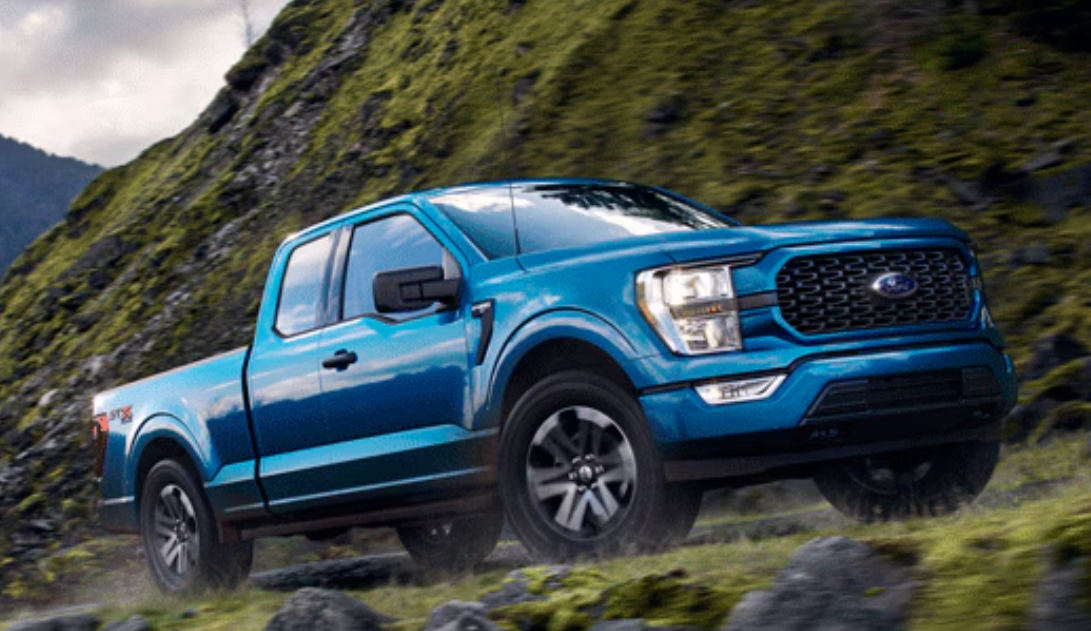
The automotive retail industry in Texas is one of the most competitive and structured dealership environments in the United States. With a large population, strong truck demand, and diverse regional economies, Ford dealerships in Texas operate under a system that balances corporate standards with local business flexibility. These dealerships are not just sales points—they function as complete automotive service hubs that handle inventory, financing, customer service, and long-term vehicle maintenance. Understanding how this system works helps explain why Ford maintains such a strong presence across Texas markets. Many buyers first experience this structure when visiting a Ford dealer TX, where national brand strategy meets local customer needs in a practical, hands-on environment.
Franchise Model and Dealership Independence
Ford dealerships in Texas operate under a franchise model, meaning each dealership is independently owned but authorized to sell Ford vehicles. This structure allows Ford Motor Company to expand its reach without directly managing retail operations.
Each dealership follows Ford’s corporate standards for branding, customer service, and operational processes. However, day-to-day decisions such as pricing adjustments, staffing, and marketing strategies are handled locally by dealership owners. This independence helps dealerships adapt to regional market demands across Texas, from urban cities like Dallas and Houston to smaller rural communities.
The franchise system also ensures that customers across the state have access to Ford vehicles without needing to rely on a single centralized retailer. It creates a competitive yet regulated environment that benefits both consumers and dealers.
Inventory Allocation and Market Demand Strategy
Inventory management is a critical part of Ford dealership operations in Texas. Vehicles are allocated based on regional demand, sales performance, and market trends rather than random distribution.
In Texas, pickup trucks such as the Ford F-150, Super Duty, and Ranger consistently dominate sales. As a result, dealerships in the state often receive a higher allocation of these models compared to other vehicle types. This ensures that customer demand is met efficiently and reduces wait times for high-demand configurations.
Dealerships also manage incoming shipments, showroom displays, and customer pre-orders. In many cases, vehicles are sold before they physically arrive at the dealership due to strong demand. Inter-dealer transfers are also common, allowing dealerships to exchange vehicles based on local needs and inventory shortages.
Sales Process and Customer Experience
The sales process at Ford dealerships in Texas is designed to guide customers through a structured but flexible buying journey. It often begins online, where customers research models, compare prices, and check availability before visiting a showroom.
Once at the dealership, sales consultants assist customers in selecting vehicles based on lifestyle, budget, and driving needs. Texas buyers often prioritize towing capacity, durability, and off-road performance, especially for trucks and SUVs.
Negotiation is a standard part of the process. While pricing is influenced by manufacturer guidelines and MSRP, dealerships may offer discounts, trade-in deals, and financing incentives to close sales. The goal is to balance customer satisfaction with dealership profitability while maintaining long-term relationships.
Financing, Leasing, and Trade-In Operations
Financing is a major component of dealership operations. Most Ford dealerships in Texas work with banks, credit unions, and internal finance departments to offer auto loans. This allows customers to purchase vehicles through monthly payments rather than paying the full price upfront.
Leasing is also a popular option, particularly for customers who prefer lower monthly payments and frequent vehicle upgrades. Lease agreements typically include mileage limits and maintenance conditions, making them suitable for predictable usage patterns.
Trade-in programs further enhance affordability. Customers can exchange their existing vehicles as partial payment toward a new or used Ford. Dealerships evaluate trade-ins based on condition, mileage, and resale value, which helps streamline the buying process and reduce overall cost for customers.
Service Departments and Long-Term Customer Support
Service departments are essential to dealership operations and long-term revenue. These facilities handle maintenance, repairs, diagnostics, and warranty services. In Texas, where long-distance driving is common, regular vehicle servicing is especially important.
Certified Ford technicians perform oil changes, brake inspections, tire rotations, and engine diagnostics using manufacturer-approved tools and parts. This ensures that vehicles maintain performance standards and warranty compliance.
Service centers also play a key role in customer retention. Many dealerships offer maintenance packages, reminders, and loyalty programs to encourage repeat visits. This strengthens long-term relationships between customers and dealerships.
Digital Transformation in Texas Ford Dealerships
Modern Ford dealerships in Texas are increasingly adopting digital tools to improve efficiency and customer experience. Online platforms allow customers to browse inventory, schedule test drives, calculate financing, and even begin the purchase process remotely.
This digital shift is especially important in Texas due to the state’s large geographic size. Customers in rural areas benefit significantly from online tools that reduce travel time and simplify decision-making.
Dealerships also use data analytics to track customer behavior, predict demand, and optimize inventory planning. These tools help dealerships stay competitive in a fast-changing automotive market while improving operational efficiency.
Regional Market Differences Across Texas
Texas is a highly diverse automotive market, and Ford dealerships adjust their strategies accordingly. In metropolitan areas like Houston, Dallas, and Austin, buyers often prioritize technology features, fuel efficiency, and premium trims.
In contrast, rural and agricultural regions focus more on durability, towing strength, and off-road capability. Trucks and SUVs dominate these markets due to work-related usage and terrain conditions.
Weather and geography also influence purchasing decisions. Regions with frequent heavy rainfall or rough terrain tend to prefer larger, more rugged vehicles, while urban commuters may choose compact or hybrid models.
Dealerships tailor their inventory, marketing campaigns, and promotions to match these regional differences, ensuring strong performance across all Texas markets.
Conclusion
Ford dealerships in Texas operate through a well-structured yet flexible system that combines corporate standards with local market adaptability. From franchise ownership and inventory allocation to sales operations, financing, service departments, and digital integration, every aspect is designed to deliver a complete customer experience. Their ability to adjust to regional demand while maintaining brand consistency is a key reason Ford remains a dominant force in the Texas automotive market. As customer expectations evolve and technology continues to advance, these dealerships will remain essential in connecting drivers with reliable vehicles and long-term automotive support across the state.