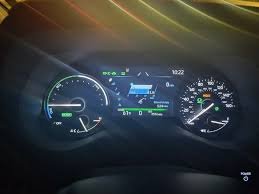
Fuel efficiency has become one of the most important factors for car buyers, especially in states like Oklahoma where long drives, rural commutes, and changing fuel prices are part of everyday life. Toyota vehicles are widely known for their reliable engineering and impressive mileage, making them a popular choice among drivers who want to save money without sacrificing performance. Whether you’re comparing models or visiting OK Toyota dealers, understanding the benefits of fuel efficiency can help you make a smarter long-term investment. Efficient vehicles don’t just reduce fuel costs—they also improve driving convenience, reduce environmental impact, and enhance overall ownership satisfaction.
Lower Fuel Costs for Daily Commuters
One of the most immediate benefits of fuel-efficient Toyota vehicles is the significant reduction in fuel expenses. In Oklahoma, where many residents commute long distances between towns or travel frequently for work, fuel costs can quickly add up.
Toyota models like the Corolla, Camry, and hybrid options such as the Prius are designed to maximize miles per gallon, helping drivers go farther on less fuel. Over time, this translates into noticeable savings at the gas pump. For families and individuals on a budget, these savings can free up money for other essential expenses such as insurance, maintenance, or travel.
Even small improvements in fuel efficiency can make a big difference over months and years of ownership. A vehicle that consistently delivers better mileage reduces the financial strain of fluctuating gas prices, which can be particularly unpredictable in certain seasons.
Reduced Impact of Rising Fuel Prices
Fuel prices are known for their volatility, and Oklahoma drivers are not immune to sudden increases at the pump. Fuel-efficient Toyota vehicles help cushion the impact of these price changes by reducing the amount of fuel required for everyday driving.
When gas prices rise, owners of less efficient vehicles often feel the financial pressure immediately. In contrast, Toyota owners with high-efficiency models experience less dramatic increases in their monthly fuel expenses. This stability makes budgeting easier and more predictable.
Hybrid models further enhance this advantage by using electric power at lower speeds or during stop-and-go traffic. This reduces fuel dependency even more, making them especially valuable for city driving or congested routes.
Over time, this protection against rising fuel costs becomes one of the most appreciated benefits of owning a fuel-efficient Toyota.
Better Performance for Long-Distance Travel
Oklahoma’s geography often requires long drives between cities, rural areas, and neighboring states. Fuel-efficient Toyota vehicles are particularly well-suited for these conditions because they allow drivers to travel longer distances without frequent refueling stops.
Models designed with advanced fuel management systems optimize engine performance to ensure smooth and efficient highway driving. This not only saves fuel but also improves overall driving comfort during extended trips.
For families taking road trips or professionals traveling for work, fewer stops at gas stations mean more time on the road and less interruption during travel. Hybrid Toyota models take this a step further by seamlessly switching between electric and gasoline power, maximizing efficiency on both city roads and highways.
This balance of performance and efficiency makes Toyota vehicles a strong choice for Oklahoma drivers who value convenience and reliability during long-distance travel.
Environmental Benefits for a Cleaner Future
Fuel efficiency doesn’t just benefit the driver—it also has a positive impact on the environment. Toyota’s commitment to efficient engineering helps reduce greenhouse gas emissions, contributing to cleaner air and a healthier environment in Oklahoma communities.
Vehicles that consume less fuel naturally produce fewer emissions. Over time, this reduction can have a meaningful impact, especially as more drivers choose fuel-efficient or hybrid models. Toyota’s hybrid technology, in particular, is designed to minimize environmental impact without compromising performance or comfort.
For environmentally conscious drivers, choosing a fuel-efficient vehicle is a practical way to reduce their carbon footprint. It aligns personal transportation needs with broader sustainability goals, helping communities move toward a greener future.
As awareness of environmental issues continues to grow, fuel-efficient vehicles are becoming not just a smart financial choice, but also a responsible one.
Lower Maintenance Stress and Engine Wear
Fuel efficiency is often linked to advanced engine technology, which can also contribute to reduced wear and tear over time. Toyota’s engineering focuses on optimizing combustion and reducing unnecessary strain on the engine, which can lead to improved longevity.
Efficient engines tend to run more smoothly and consistently, which may result in fewer mechanical issues compared to older or less efficient models. While all vehicles require regular maintenance, fuel-efficient Toyota models are designed to operate with greater precision and reliability.
Additionally, hybrid systems reduce the workload on the gasoline engine by using electric power during low-speed driving. This can help extend engine life and reduce the frequency of certain maintenance needs.
For owners, this means not only saving money on fuel but also potentially reducing long-term repair costs and improving overall vehicle durability.
Strong Resale Value in the Used Car Market
Fuel-efficient vehicles often maintain stronger resale value compared to less efficient models. In Oklahoma, where buyers are increasingly looking for affordable and economical transportation, demand for fuel-efficient Toyota vehicles remains high.
When it comes time to sell or trade in a vehicle, fuel efficiency becomes a major selling point. Buyers are willing to pay more for cars that offer long-term savings on fuel, making Toyota models particularly attractive in the used car market.
Hybrid vehicles, in particular, tend to hold their value well due to their combination of efficiency, reliability, and advanced technology. This means owners can often recover a larger portion of their investment when upgrading to a new vehicle.
Strong resale value adds another layer of financial benefit, making fuel-efficient Toyotas a smart long-term ownership choice.
Improved Driving Experience and Convenience
Beyond financial and environmental benefits, fuel-efficient Toyota vehicles also enhance the overall driving experience. Smooth acceleration, optimized engine performance, and reduced refueling frequency all contribute to a more convenient and enjoyable ride.
Drivers spend less time worrying about fuel stops and more time focusing on their journey. Many modern Toyota models also include advanced driving technologies that complement fuel efficiency, such as eco-driving modes and real-time fuel consumption displays.
These features help drivers develop better driving habits, further improving efficiency over time. The combination of comfort, technology, and performance creates a well-rounded driving experience that appeals to a wide range of Oklahoma drivers.
Whether navigating city streets or rural highways, fuel-efficient vehicles offer a sense of ease and confidence behind the wheel.
Conclusion
Fuel efficiency plays a vital role in enhancing the ownership experience for Toyota drivers in Oklahoma. From lowering fuel costs and protecting against rising gas prices to improving long-distance travel and reducing environmental impact, the benefits are both practical and long-lasting.
In addition, fuel-efficient Toyota vehicles offer advantages such as reduced maintenance stress, strong resale value, and a more enjoyable driving experience. These combined benefits make them an ideal choice for individuals and families seeking reliability and value.
As fuel prices continue to fluctuate and environmental awareness grows, choosing a fuel-efficient Toyota becomes more than just a smart financial decision—it becomes a forward-thinking investment in comfort, sustainability, and long-term savings.