The way people watch television has changed dramatically over the last few years. Traditional television packages are no longer the only option for viewers who want access to live channels, entertainment, sports, movies, and international programming. With faster internet connections and smarter streaming devices becoming more common, IPTV has become an increasingly discussed alternative.
For viewers who are considering an IPTV subscription , understanding how the technology works and what to look for can make the process much easier.
What Is IPTV?
IPTV stands for Internet Protocol Television. Unlike traditional television services that rely on satellite signals, cable infrastructure, or terrestrial broadcasting, IPTV delivers television content through an internet connection.
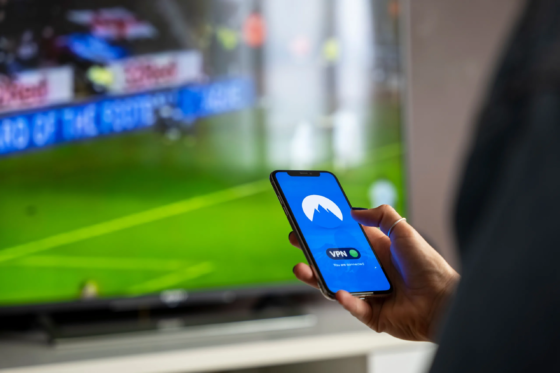
This means viewers can access television services through compatible devices such as smart TVs, Android TV boxes, Fire TV devices, computers, tablets, and smartphones, depending on the provider and application being used.
One of the main advantages of IPTV is flexibility. Instead of being limited to watching television through one traditional receiver, users can often access their subscription through different compatible devices.
Why Are More People Choosing IPTV?
There are several reasons why IPTV has attracted attention from modern viewers.
First, internet-based television can provide access to a wide variety of content in one place. Depending on the service, viewers may find live television channels, movies, series, sports programming, international channels, and electronic programme guides.
Another important factor is convenience. Modern viewers often want to decide when and where they watch their favourite programmes rather than following a traditional television schedule.
IPTV can also be useful for people who have moved away from their home country but still want access to programming from their original region. International channel availability can make it easier for viewers to keep up with familiar entertainment and news.
What Should You Look For in an IPTV Service?
Choosing an IPTV service should involve more than simply looking at the number of channels advertised.
Reliability is one of the most important considerations. A large channel list has limited value if streams frequently buffer or become unavailable. Users should therefore consider the stability of the service and whether the provider offers customer support when technical problems occur.
Device compatibility is another important factor. Before purchasing a subscription, users should check whether the service works with their preferred device and IPTV application.
The quality of the electronic programme guide, video resolution, channel organisation, and availability of video-on-demand content can also influence the overall viewing experience.
For viewers specifically interested in British programming, searching for a reliable UK IPTV service can help narrow down the available options and focus on services offering UK-focused content.
IPTV and Smart TVs
Smart TVs have played an important role in making internet television more accessible.
Many modern televisions allow users to install compatible streaming applications directly from an app store. Other viewers may prefer external devices such as Android TV boxes or Fire TV devices.
The setup process can vary depending on the IPTV application. Some applications require login credentials, while others use an M3U playlist or portal information supplied by the service provider.
Because applications differ from one device to another, checking compatibility before purchasing a subscription can prevent unnecessary setup problems.
The Importance of Internet Quality
Although IPTV uses relatively little physical infrastructure compared with traditional broadcasting, the viewing experience still depends heavily on the user’s internet connection.
A stable broadband connection is generally more important than simply having a very high advertised download speed. Wi-Fi signal strength, network congestion, router performance, and the number of devices using the connection can all affect streaming.
For high-definition and ultra-high-definition content, users should make sure their home network is capable of handling continuous video streaming without interruptions.
Using an Ethernet connection can also be useful when a television or streaming device is located close to the router.
Sports and Live Television
Live sports are another reason some viewers explore IPTV services. Sports fans often want access to different competitions and channels without having to maintain several traditional television packages.
However, availability of particular sporting events can vary by country and broadcaster. Viewers should always check whether the content they want is legally available through the service and whether specific events require an additional official subscription.
This is particularly important for pay-per-view events and premium sports programming, where broadcasting rights can change from one season to another.
IPTV Is More Than Just Live Channels
A modern IPTV service can include much more than a traditional channel list.
Many platforms also provide video-on-demand libraries containing movies and television series. Some services organise content into categories, making it easier to find particular genres, languages, or programmes.
An electronic programme guide can also make live television easier to navigate by showing current and upcoming programmes.
These features help create a viewing experience that feels closer to a modern streaming platform rather than a traditional television receiver.
Making the Switch
For someone considering IPTV for the first time, the best approach is to identify their actual viewing requirements before choosing a service.
Think about the channels you watch most often, the devices you intend to use, whether you need UK or international programming, and whether you are mainly interested in live television, sports, movies, or series.
It is also worth checking the provider’s terms, supported devices, customer support options, and the legality of the content offered in your location.
For those looking to explore an IPTV-based television option, IPTV subscription services can be one of the options to research before making a decision.
Final Thoughts
Television viewing is becoming increasingly flexible. Instead of relying exclusively on traditional cable or satellite packages, viewers now have access to internet-based alternatives that can combine live television, on-demand entertainment, international programming, and modern streaming features.
IPTV can be particularly attractive to people who want flexibility across different devices or who are interested in accessing programming from different regions.
However, choosing the right service requires more than looking at a large channel number. Reliability, device compatibility, internet quality, customer support, content availability, and legal broadcasting rights should all be considered.
As internet speeds and connected devices continue to improve, IPTV is likely to remain an important part of the changing television landscape.