Understanding the Importance of Professional Pool Installation
A swimming pool is more than just a place to cool off during warm weather; it is an investment that can enhance outdoor living, improve property appeal, and create a space for relaxation and entertainment. However, building a pool requires careful planning, proper design, quality materials, and skilled workmanship. A successful pool installation involves many important decisions, from selecting the right location and pool style to ensuring proper construction and long-term maintenance.
Professional pool installation helps ensure that the project is completed safely, efficiently, and according to industry standards. Experienced installers understand the technical requirements involved in excavation, plumbing, electrical connections, structural support, and finishing details. Their knowledge helps prevent common construction problems and ensures that the final result meets the homeowner’s expectations.
A well-designed and properly installed pool can provide years of enjoyment while adding value and beauty to an outdoor space. Careful planning and expert execution are essential for creating a durable and functional swimming environment.
Planning Your Pool Installation Project
Before construction begins, thorough planning is one of the most important steps in the process. A pool should be designed around the property’s layout, available space, lifestyle needs, and personal preferences.
During the planning stage, homeowners typically consider factors such as pool size, shape, depth, location, and intended use. Some people prefer pools designed for exercise, while others want a relaxing space for family gatherings and entertainment.
The surrounding landscape should also be considered. Factors such as sunlight exposure, privacy, drainage, and access points can influence the ideal pool placement. Proper planning helps create a pool area that is both attractive and practical.
Choosing the Right Pool Design
Pools are available in many different designs, and selecting the right option depends on budget, preferences, and property requirements. Common choices include traditional rectangular pools, freeform designs, lap pools, and custom-shaped options.Rectangular pools offer a classic appearance and are often suitable for swimming activities. Freeform pools provide a more natural look with curved designs that blend well with landscaping features.
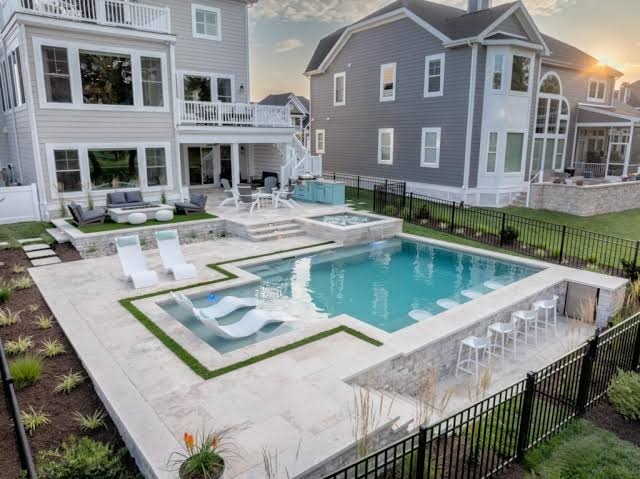
Custom pool designs allow homeowners to create unique outdoor spaces with features such as built-in seating, waterfalls, lighting, and decorative finishes. A professional installer can help determine which design best matches the property and lifestyle goals.The materials used during construction have a major impact on the pool’s appearance, durability, and maintenance requirements. Different materials offer unique benefits and design possibilities.
Concrete pools are highly customizable and can be built in almost any shape or size. They provide flexibility for unique designs and additional features. Fiberglass pools are known for their smooth surfaces and relatively quick installation process.Vinyl-lined pools are another option that can offer design flexibility and affordability. The best material choice depends on factors such as desired appearance, maintenance preferences, and long-term goals.
Preparing the Property for Pool Construction
Proper preparation is essential before construction begins. The installation area must be carefully evaluated to determine soil conditions, drainage requirements, and accessibility for construction equipment.
The excavation process involves removing soil and creating the space needed for the pool structure. Accurate measurements and careful preparation help ensure that the pool is built according to the planned design.
Proper preparation also includes planning for plumbing, filtration systems, electrical components, and surrounding features. A strong foundation is necessary for creating a safe and durable pool.The pool installation process involves several stages that require precision and expertise. After excavation, the pool structure is constructed using the selected materials and design specifications.
Plumbing systems are installed to support water circulation, filtration, and drainage. Electrical components may also be added for lighting, pumps, and additional features.
Once the main structure is complete, finishing elements such as decking, coping, interior surfaces, and landscaping are installed. These details help improve both the appearance and functionality of the pool area.Before the pool is ready for use, professionals test all systems to ensure proper operation and safety.
Benefits of Professional Pool Installation
Choosing professional installation provides many advantages compared with attempting a pool project without specialized knowledge. Experienced installers understand construction requirements and can manage complex aspects of the project effectively.Professionals help ensure that the pool structure is properly built, plumbing systems function correctly, and safety requirements are followed. Their expertise reduces the risk of costly mistakes and future repair issues.
A professionally installed pool also provides better long-term performance. Quality workmanship helps extend the lifespan of the pool and improves the overall ownership experience.Modern pool designs often include additional features that improve comfort, appearance, and enjoyment. These upgrades can transform a basic swimming area into a complete outdoor living space.
Popular additions include waterfalls, fountains, LED lighting, built-in seating, tanning areas, and automated cleaning systems. Outdoor kitchens, patios, and entertainment areas can also complement the pool environment.Choosing the right features depends on how the space will be used. A professional designer can help create a balanced layout that combines beauty and functionality.
Importance of Pool Safety Considerations
Safety should always be a priority during pool planning and installation. Proper design features can help create a safer environment for swimmers of all ages.
Safety considerations may include secure fencing, appropriate depth planning, slip-resistant surfaces, proper lighting, and reliable pool covers. Equipment such as alarms and safety barriers can provide additional protection.
Following recommended safety practices helps create a pool area where families can enjoy recreation with greater confidence.Regular maintenance is essential for keeping a pool clean, safe, and functional. Proper care helps protect the investment and extends the lifespan of pool components.
Routine maintenance tasks include monitoring water chemistry, cleaning filters, removing debris, checking equipment, and inspecting surfaces. Maintaining balanced water conditions helps prevent damage and keeps the pool comfortable for swimmers.Professional maintenance services can also help identify potential issues before they become expensive repairs. Regular inspections support reliable operation and long-term performance.
Common Pool Installation Mistakes to Avoid
One common mistake is failing to plan properly before construction begins. Poor planning can result in design limitations, drainage problems, or unexpected costs.
Another mistake is choosing materials based only on initial price without considering long-term maintenance and durability. Quality materials often provide better value over time.
Improper placement is another concern. A pool that does not account for sunlight, privacy, or surrounding structures may not provide the desired experience. Professional guidance helps avoid these challenges.A well-designed pool can enhance the appearance and functionality of an outdoor space. It creates an area for relaxation, recreation, and entertainment while improving the overall atmosphere of the property.
A professionally installed pool may also increase property appeal for potential buyers. A beautiful and well-maintained pool area can become a valuable feature that distinguishes a property from others.However, proper maintenance and quality construction are essential to preserving the pool’s value over time.
Conclusion: Creating a Lasting Outdoor Experience With Pool Installation
Selecting the right installation professional is one of the most important decisions in the project. Homeowners should consider experience, reputation, craftsmanship, and knowledge of different pool systems.A reliable installer provides clear communication, helps with design decisions, and explains the construction process. They should also prioritize quality materials, safety, and customer satisfaction.
Working with an experienced professional helps ensure that the pool project is completed smoothly and delivers the expected results. Pool installation is a major project that requires thoughtful planning, skilled construction, and proper maintenance. From selecting the right design and materials to completing the final finishing touches, every step contributes to the quality and longevity of the finished pool.
A professionally installed pool provides a beautiful space for relaxation, entertainment, and recreation while adding value to the property. By investing in expert installation and regular care, homeowners can enjoy a safe, functional, and attractive swimming environment for many years.