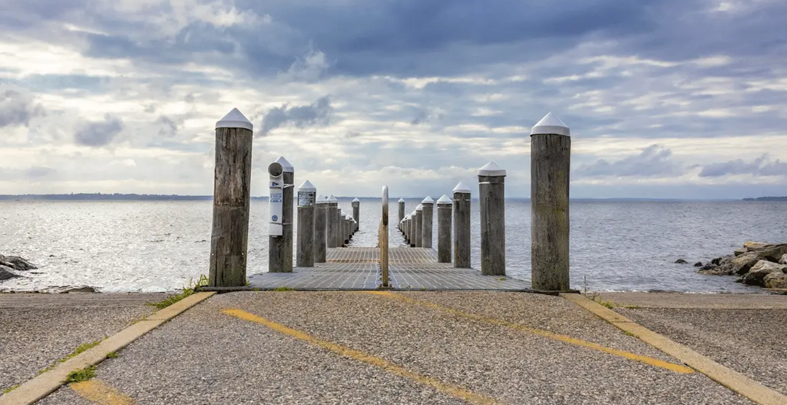
If you are an avid boater, there are few things more universally frustrating than the Saturday morning boat ramp. You wake up before dawn, hook up the trailer, and drive to the lake, only to be met by a sprawling line of idling trucks. Tensions run high as people struggle to back down the concrete incline, launch their vessels, and clear the dock.
The instinctual reaction to this infrastructural bottleneck is almost always the same: Why don’t they just build more ramps?
When we look at massive bodies of water—especially sprawling, deep-water mountain reservoirs—the lack of access points feels like an oversight. But if you consult environmental scientists and park rangers tasked with protecting the most pristine lakes in the country, you will uncover a fascinating, counterintuitive truth. That frustrating traffic jam at the launch site isn’t an engineering failure. It is, quite often, a deliberate and highly effective conservation tool.
The Concept of “Carrying Capacity”
Every ecosystem on Earth has a carrying capacity—a maximum threshold of biological and mechanical stress it can endure before it begins to permanently degrade.
On highly developed, shallow recreational lakes, that carrying capacity is frequently exceeded. When a lake is ringed with private docks, marinas, and dozens of public boat ramps, the volume of watercraft explodes. This leads to heavy wake-induced shoreline erosion, a high concentration of hydrocarbon pollution from marine exhaust, and a massive disruption to aquatic wildlife.
Conversely, when a massive body of water only features one or two public access points, the infrastructure acts as a natural, unyielding valve. It mathematically caps the number of boats that can physically enter the water on any given day. Once the parking lot is full, the lake is at capacity.
The Shield Against Invasive Species
Beyond limiting sheer volume, single-point access acts as a critical biological checkpoint.
One of the greatest threats to freshwater ecosystems today is the spread of invasive species, such as zebra mussels and hydrilla (an aggressive aquatic weed). These invaders are highly destructive; they choke out native flora, destroy fish spawning grounds, and can actually alter the chemical composition of the water. They are almost exclusively transported from lake to lake by hitching rides on the hulls, propellers, and bilges of recreational boats.
When a lake has twenty different unmonitored boat ramps, it is impossible to inspect incoming vessels. But when all traffic is funneled through a single, managed choke point, park officials can easily implement inspection protocols. They can monitor for rogue aquatic hitchhikers and educate boaters on proper hull-cleaning procedures, effectively turning the boat ramp into a bio-security checkpoint.
Preserving the “Glass Water” Anomaly
The results of this limited infrastructure are undeniable. Consider the steep, spring-fed reservoirs nestled in the Blue Ridge Escarpment. Because development is severely restricted and access is funneled through minimal launch points, these lakes maintain a level of purity that is almost shocking.
The water remains highly oxygenated and Caribbean-clear, often boasting visibility of over fifty feet. The shorelines remain wild and intact, free from the muddy, eroding banks caused by relentless wakeboarding traffic. For the boaters who do make it onto the water, the experience is transformed. The sheer volume of open space creates a profound sense of isolation and tranquility that is impossible to find on heavily trafficked municipal lakes.
Navigating the Logistics of Preservation
Of course, understanding the ecological brilliance of a bottleneck doesn’t make navigating it any less stressful for the average weekend traveler. Accessing these highly protected bodies of water requires an entirely different level of logistical preparation. You cannot simply show up at noon on a Saturday and expect to put your boat in the water.
Visitors must adapt to the rhythm of the infrastructure. This means arriving at the gates at sunrise, prepping your vessel in the staging area before you even approach the incline, and having a firm grasp on the local geography. For those trying to figure out the logistics of launching here, utilizing a Boat Ramp & Water Access Guide Near Lake Jocassee is essential to avoid being turned away at the gate. Knowing exactly where the public access points are, what the parking capacities look like, and the specific rules of the state parks that manage them is the only way to successfully get on the water.
The Price of Admission
We have grown accustomed to a world where convenience is king, expecting frictionless access to everything, including the wilderness. But true, unspoiled nature is inherently inconvenient.
The next time you find yourself idling in a long line at a mountain lake boat ramp, try to reframe the frustration. That line is not a failure of infrastructure. It is the very mechanism keeping the water cold, the shorelines wild, and the lake perfectly clear. The wait is simply the price of admission to a masterpiece.